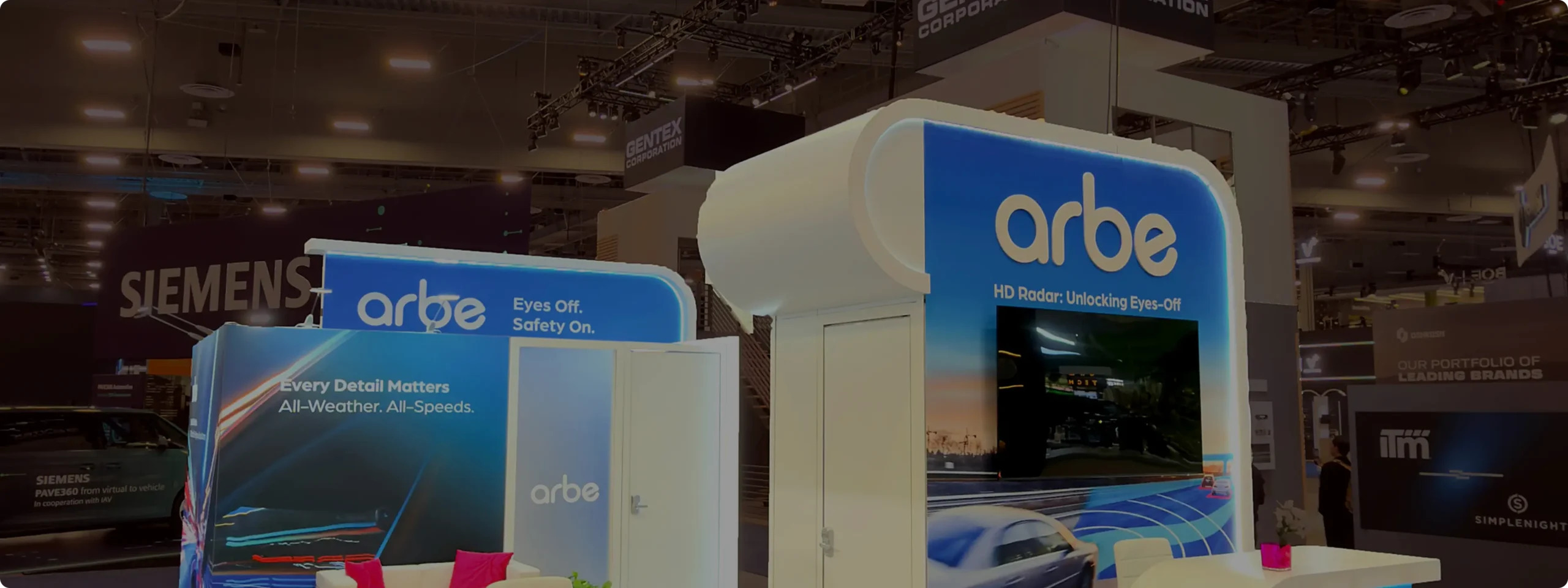

You already know trade shows work. Your pipeline says so. But try explaining a $150,000 booth investment to a CFO who sees it as a line item with no dashboard — and suddenly you need more than instinct.
This is the conversation happening in boardrooms across every industry right now. Marketing budgets are under scrutiny, procurement teams want ROI frameworks, and leadership wants to know: why should we spend six figures on three days?
The answer is in the data. And the data is compelling.
The Trade Show Industry in 2026: Bigger Than Ever
First, context. The global exhibition industry is now valued at $45.5 billion and projected to reach $67.4 billion by 2033, growing at a CAGR of 5.8% annually (Wave Connect, 2026). In the U.S. alone, the market hit $15.8 billion in 2024 and is on pace for $17.3 billion by 2028.
This isn’t an industry in decline. CEIR’s Exhibition Index hit 95.6 in Q4 2024 — the highest since before the pandemic — meaning trade show attendance is now within 4.4% of 2019 levels (CEIR, 2025). Nearly 40% of trade shows are outperforming pre-pandemic benchmarks.
Companies allocate an average of 31.6% of their total marketing budget to events and trade shows, and 34% of U.S. event marketers increased their exhibit spending in 2024 (vFairs, 2026). The money is flowing back because the channel works.
The Cost-Per-Lead Math That Changes Everything
Start with the metric your CFO already respects: cost per qualified lead.
Here’s where it gets interesting. According to Exhibit Surveys and industry benchmarks compiled by Trade Show Labs, the average cost per lead at a trade show is approximately $142 per face-to-face meeting — compared to $250 to meet a prospect at their office through traditional field sales (Trade Show Labs, 2026).
Now compare that to digital channels. B2B cost-per-lead benchmarks from SoPro and First Page Sage show that paid search (Google Ads) averages approximately $70 per lead, LinkedIn Ads exceed $110, and trade shows and events average $811 per lead when calculated as a blended figure across all attendee interactions (SoPro, 2025; First Page Sage, 2026).
But here’s the critical distinction: trade show leads convert at dramatically higher rates. When followed up within 7–10 days, 20–30% of trade show leads convert into sales opportunities (Moots AI, 2025). That’s a conversion rate that outbound digital campaigns simply cannot match. The cost per lead may be higher, but the cost per qualified opportunity is often 50–60% lower because attendees self-qualify by walking into your booth.
At a trade show, your prospect walks into your space. They touch your product, meet your team, and leave with a memory that no retargeting ad can replicate.

The ROI Formula That Gets Budget Approval
Here’s the calculation to put in front of finance:
Trade Show ROI = (Revenue from Event – Total Event Investment) / Total Event Investment × 100
Total investment includes booth space, design and fabrication, shipping, travel, staff time, and pre-show marketing. Revenue includes deals closed within a 90-to-180-day attribution window — because B2B deals sourced at trade shows rarely close in 30 days.
The benchmarks are strong. Industry data shows companies report an average ROI of $4 in revenue for every $1 spent on exhibiting, with 14% of Fortune 500 companies reporting a 5:1 return (Trade Show Labs, 2026). Across the broader industry, 44% of marketers achieve a 3:1 ROI or better from their event programs, and 52% of business leaders believe trade shows deliver the highest ROI of any marketing channel (Momencio, 2026; Cvent, 2025).
The key word is correctly. Many marketing directors cannot accurately calculate their final lead-to-close ROI from events. That’s not a trade show problem — it’s a measurement problem. Fix the tracking, and the numbers speak for themselves.
What You Can’t Measure in a Spreadsheet
ROI isn’t the only story. Some of the most valuable outcomes don’t fit neatly into a pipeline report.
Brand positioning happens on the show floor in ways that months of content marketing can’t replicate. When a prospect stands inside your 50×50 ft island booth and experiences your brand — the materials, the technology, the team — that impression compounds over every future touchpoint. According to ATN Event Staffing, 91% of consumers feel more positive about a brand after a live experience (ATN, 2025).
Competitive intelligence is live and unfiltered. You see what your competitors are doing, what messaging they’re leading with, and how attendees are reacting. Three days on a show floor can deliver more strategic insight than a quarter of market research.
Relationship acceleration is perhaps the most undervalued benefit. A 20-minute conversation at your booth replaces weeks of email sequences. The deals that close fastest almost always have a face-to-face moment at their origin. In-person trade shows account for 73% of total exhibition market revenue (vFairs, 2026), precisely because face-to-face engagement drives decisions in ways digital channels cannot.
The Pre-Show Decisions That Determine ROI
Here’s what the data consistently shows: the decisions made before the show have the biggest impact on ROI.
Pre-book your meetings. Companies that fill their calendar with pre-booked appointments before arriving consistently outperform those relying on floor traffic alone. 72% of exhibitors attend trade shows specifically for lead generation (Wave Connect, 2026) — but the exhibitors who book meetings in advance capture a disproportionate share of qualified conversations.
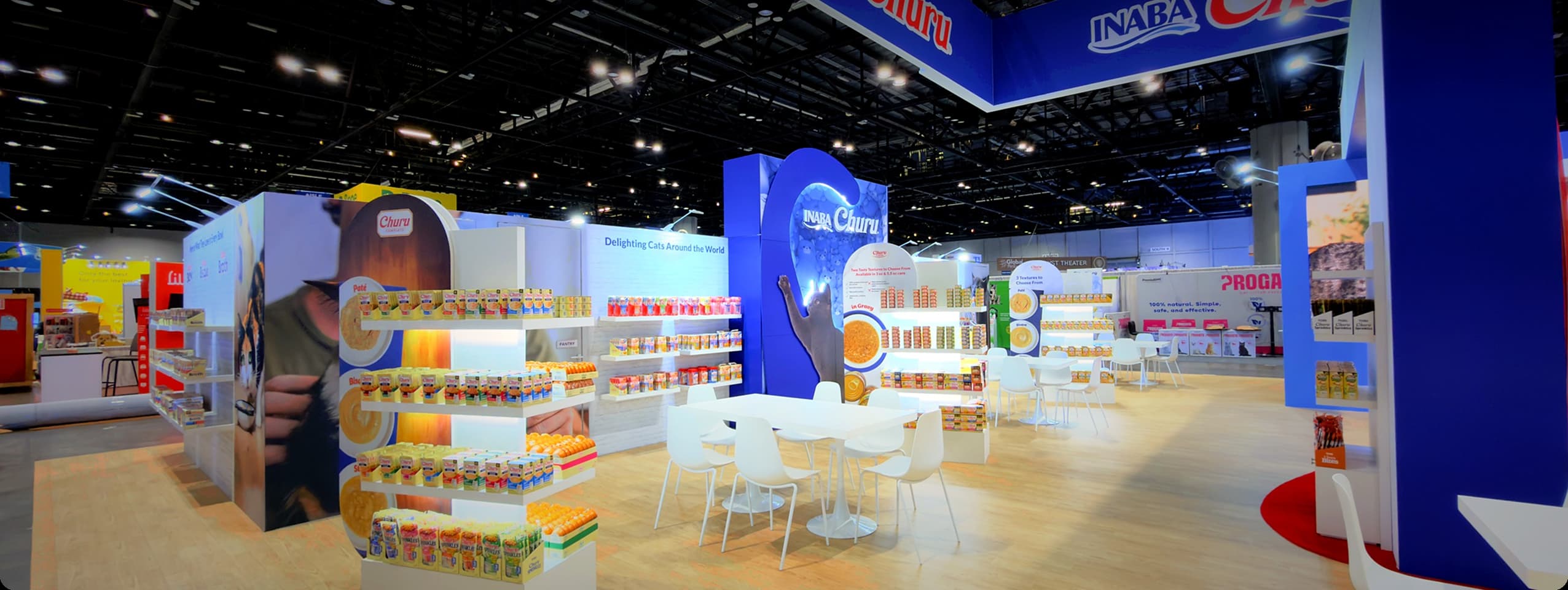
Design for conversion, not just aesthetics. A beautiful booth that doesn’t have clear meeting zones, demo stations, or lead capture points is an expensive art installation. The best-performing exhibitors design their space around buyer behavior: what do we want visitors to do when they arrive?
Follow up fast. This is the single biggest lever. According to speed-to-lead research, 50% of trade show buyers choose the vendor that responds first with relevant information (Default, 2025). Yet 40% of exhibitors wait three to five days to follow up (Moots AI, 2025). That gap represents an enormous competitive advantage for the companies that execute. When trade show leads are followed up within 48 hours, conversion rates jump dramatically compared to the 80% of leads that never receive any follow-up at all.
The Real Risk Is Not Showing Up
When you skip a trade show, you don’t save money — you cede ground. Your competitors occupy the space you left. Your existing clients notice your absence. Your prospects meet someone else.
Trade shows are the only marketing channel where your ideal customer walks into a room, tells you exactly what they need, and gives you permission to sell. No algorithm required.
The question isn’t whether you can afford to exhibit. It’s whether you can afford not to.
Ready to make your next show your highest-ROI marketing investment?
We design exhibits that are built for business — lead capture zones, meeting rooms, demo stations, and immersive brand moments that convert visitors into pipeline.